

Choosing a Customized Cylinder Safety Cap for Valve Protection: A Practical Buyer Guide
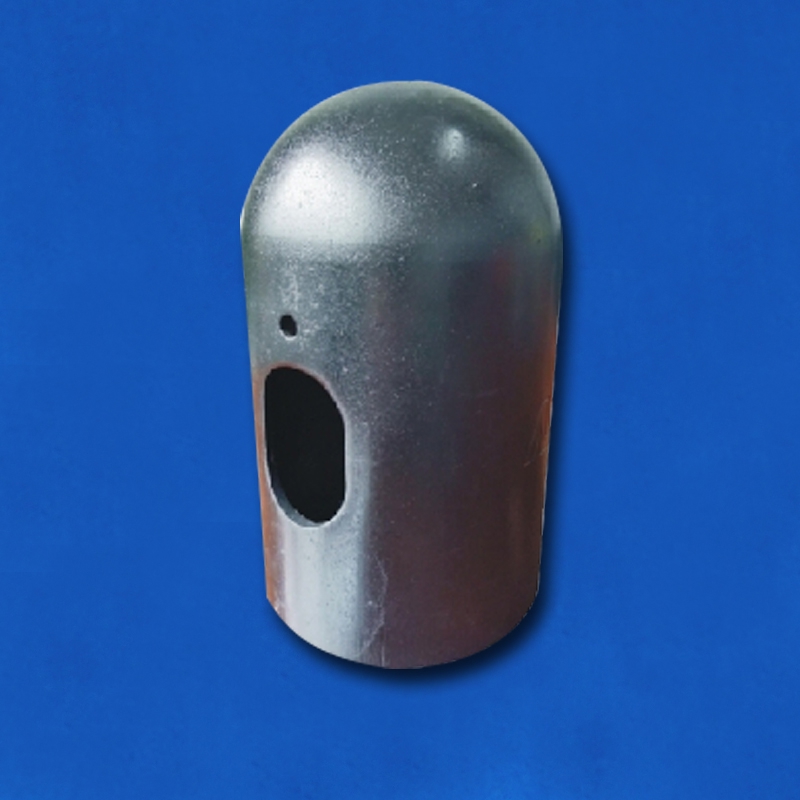
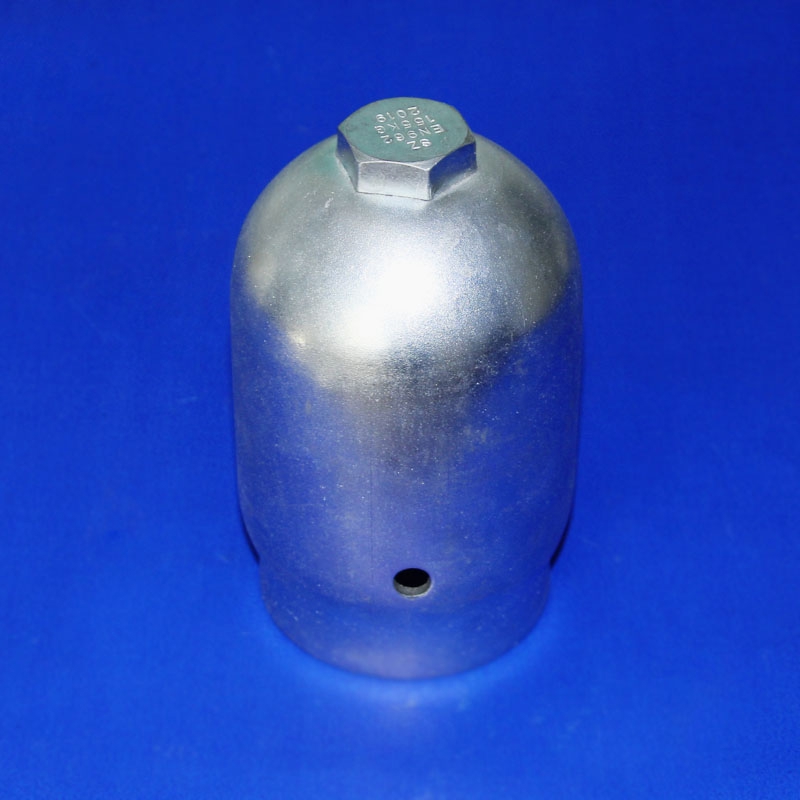
Industrial gas distributors and cylinder packagers face complex procurement challenges when standard off-the-shelf caps fail to accommodate specialized valve assemblies. Whether housing oversized handwheels, integrated electronic transponders, or dual residual pressure valves, standard catalog closures frequently cause mechanical interference or provide inadequate safety clearance. Developing custom protective caps requires a systematic engineering approach that integrates three-dimensional spatial analysis, metallurgy verification, and rigorous quality control protocols before authorizing volume production.
Map Cylinder Valve Envelopes and Radial Clearance Tolerances
Custom safety cap engineering begins by mapping the three-dimensional geometry of the installed valve assembly. Sourcing managers must account for total valve height, handwheel diameter, gland nut offsets, and integrated pressure relief valve protrusions. Maintaining a minimum radial and axial safety clearance of 15 millimeters prevents drop impact energy from transferring into the valve assembly. If an impact deflects an undersized cap dome into contact with the valve stem, the resulting bending moment can shear the valve body from the cylinder neck, causing an immediate high-pressure gas release.
Collar thread compatibility dictates secure mechanical engagement with the cylinder neck ring. Protective caps must engage cleanly without cross-threading, excessive lateral play, or thread binding. Because industrial cylinder neck rings accumulate fine grit, paint overspray, and atmospheric oxidation over years of field circulation, thread tolerances must balance secure mounting with smooth manual installation.
Collar thread compatibility dictates seamless field utility. Regional fleets utilize distinct neck collar connections, predominantly Whitworth W80-11 and W3-1/8-11 forms, along with heavy-duty W3-1/2-11 and metric M120 profiles. Tooling teams verify thread pitch and root contours with calibrated optical comparators to ensure smooth manual engagement.
Select Raw Steel Grades and Progressive Deep-Drawing Methods
Raw material selection directly governs kinetic energy absorption during impact. SPHC hot-rolled carbon steel and Q235 structural steel offer excellent ductility and uniform grain structure for progressive deep drawing. High-tonnage hydraulic presses form seamless cap shells with uniform sidewall thickness, preventing localized thinning around the top crown radius where drop impacts frequently concentrate.
Ductile carbon steel undergoes controlled plastic deformation upon severe impact, absorbing kinetic energy before shock loads reach the internal valve. Deep-drawn construction also eliminates longitudinal weld seams that could rupture under concentrated mechanical stress. Fabricated or welded caps can fail along heat-affected zones during sub-zero drops, whereas seamless deep-drawn steel distributes impact stress evenly across the hemispherical dome.
Suppliers operating automated hydraulic press lines—ranging from 100 to 1,000 tons—provide consistent structural strength across large production volumes. Progressive multi-stage drawing dies allow cold forming without inducing micro-fractures, ensuring that each finished cap maintains the mechanical elongation and tensile strength required to meet stringent international impact mandates.
Custom Cap Specification and Verification Standards
Auditing technical specifications across dimensions, forming processes, and quality controls ensures reliable cap fabrication. Procurement teams benchmark supplier proposals against five critical engineering benchmarks:
Neck Thread Profile: Sourcing teams verify regional Whitworth and metric collar specifications using calibrated optical comparators and thread plug gauges to guarantee smooth hand threading without binding.
Internal Radial Clearance: Engineering drawings must maintain at least 15 mm radial clearance over valve hardware using 3D CAD collision overlays to eliminate direct impact shock during drops.
Material Specification: Factory quality systems specify SPHC hot-rolled or Q235 carbon steel verified by mill test certificates to prevent brittle fracture during sub-zero handling incidents.
Surface Coating: Protective finishes including zinc galvanizing, electrophoretic priming, and powder coating undergo cross-hatch adhesion and salt spray testing to prevent corrosion.
Fugitive Gas Venting: Quality inspectors audit dual opposing 8 mm to 12 mm vent holes using calibrated pin gauges to prevent dangerous explosive pressurization under the dome.
Documenting these five verification standards inside technical procurement agreements provides measurable acceptance criteria, ensuring that delivered production batches match initial design intent.
Execute the Drawing Review and Rapid Tooling Workflow
Transitioning from initial engineering concepts to volume production requires a structured OEM development protocol. Qualified suppliers utilize advanced computer-aided design software, such as UG (Unigraphics) and AutoCAD, to review customer blueprints, identifying potential manufacturing stress points before tooling begins.
Sourcing teams should follow four sequential milestones during custom tooling development:
Submit 2D technical blueprints and 3D STEP models detailing neck ring threads, internal clearances, and ventilation hole placements.
Complete digital finite element simulations to optimize drawing die radiuses, predict sheet metal thinning, and prevent metal tearing during forming.
Machine pilot tooling using precision CNC equipment to manufacture pre-production sample batches within 15 to 20 business days.
Conduct physical fitment audits, Go/No-Go thread checks, and drop impact testing on actual cylinder assemblies before volume sign-off.
Adhering to this structured approval cycle minimizes tooling modifications once full-scale stamping commences. Rapid sampling turnaround accelerates new cylinder fleet deployment while mitigating the financial risk of high-volume manufacturing errors.
Verify Anti-Corrosion Finishes for Harsh Marine and Yard Storage
Gas cylinders frequently endure prolonged outdoor exposure in coastal port facilities, petrochemical complexes, and high-humidity depots. Untreated carbon steel caps quickly develop oxidation, causing thread galling that prevents field removal without mechanical pipe wrenches. Durable multi-layer surface protection preserves thread operational life and protects asset value.
Cathodic electrophoretic coating (E-coat) applies a uniform, corrosion-resistant primer layer across external surfaces and internal collar threads without compromising pitch tolerances. Because the electro-deposition process relies on charged ionic immersion, it coats internal thread valleys evenly, avoiding the heavy paint puddling common to conventional dip coatings.
Hot-dip galvanizing provides sacrificial cathodic defense for extreme marine environments, offering decades of maintenance-free service. For fleet brand identity, electrostatic polyester powder coating provides rugged abrasion resistance, UV protection, and custom corporate color branding for distinct gas types. Utilizing distinct corporate colors simplifies inventory management, allowing depot operators to segregate industrial nitrogen, argon, and high-purity medical gas cylinders instantly.
Frequently Asked Questions About Safety Cap Customization
Procurement teams frequently evaluate tooling workflows, safety relief ports, and order minimums before authorizing custom cap fabrication. The following direct answers clarify essential engineering and commercial questions for fleet buyers.
What information is required to start custom safety cap tooling?
Buyers must provide cylinder collar thread specifications, maximum valve envelope dimensions, ventilation hole requirements, target steel grade, and preferred surface coating standards.
How do dual relief vent holes improve operational safety?
Opposing vent holes allow fugitive valve leaks to disperse safely into the atmosphere, preventing dangerous internal pressurization before manual cap removal.
Can custom caps incorporate embossed company branding?
Tooling engineers integrate hardened stamping inserts into the upper forming die. This allows permanent mechanical embossing of distributor trademarks, tare weights, and production batch dates directly across the steel dome during the primary press stroke.
What quality certifications should a cap manufacturer maintain?
Manufacturers should maintain ISO 9001 quality management certifications and demonstrate that protective cap designs pass drop impact testing according to ISO 11117.
What is the typical minimum order quantity for custom steel caps?
Custom production programs generally establish an initial threshold of 500 units. This volume balances specialized drawing die setup, machine calibration, and automated finishing overhead while maintaining an attractive unit procurement cost.
Procuring a Customized Cylinder Safety Cap for Valve Protection
Selecting a dependable manufacturing partner ensures your cylinder fleet maintains uncompromising valve safety and international regulatory compliance. Combining rigorous engineering reviews with high-precision hydraulic stamping, specialized thread tooling, and certified quality management delivers durable protection tailored to your operational demands.
As an established manufacturing partner, Qizheng specializes in custom steel cylinder safety caps engineered to exacting international standards. The company's Hexing Machinery manufacturing plant operates hydraulic drawing presses up to 1,000 tons and automated cathodic electrophoresis lines. Under strict ISO 9001:2015 oversight, Qizheng delivers certified valve protection for domestic cylinder makers and international gas distributors. Visit https://www.gascylindercap.com/ or contact our engineering team to review 2D drawings, evaluate 3D STEP models, and request custom prototypes for fleet qualification.
Hangzhou Qizheng Trading Co., Ltd.
Qizheng
Visit us on social media:
LinkedIn
Instagram
Facebook
YouTube
X
Legal Disclaimer:
EIN Presswire provides this news content "as is" without warranty of any kind. We do not accept any responsibility or liability for the accuracy, content, images, videos, licenses, completeness, legality, or reliability of the information contained in this article. If you have any complaints or copyright issues related to this article, kindly contact the author above.
