

Economic Impact Analysis of Utilizing a Reliable Ultra Purity Ammonia Recovery System For Solar Cell Manufacture

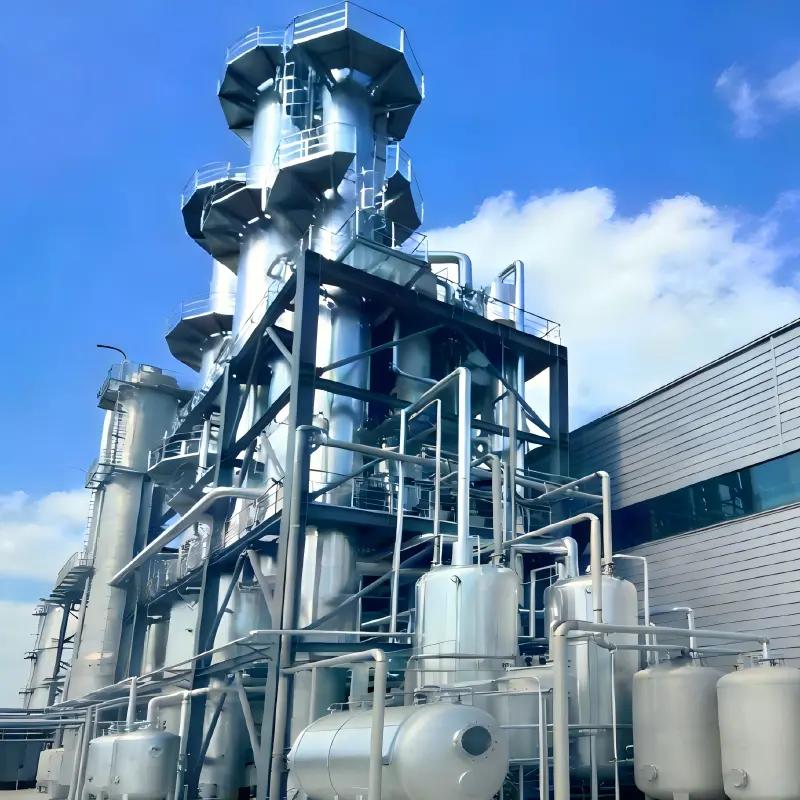
Global solar manufacturing faces intense pressure today as factories must optimize raw material supply chains while meeting increasingly strict environmental standards worldwide. Modern high-efficiency solar cells require a steady, massive volume of high-purity ammonia gas during daily manufacturing operations. This rule applies particularly to Passivated Emitter and Rear Cell (PERC) and Tunnel Oxide Passivated Contact (TOPCon) architectures. This specific gas creates the essential silicon nitride passivation layers that maximize solar cell light absorption and overall conversion efficiency.
The traditional manufacturing model treats the resulting ammonia exhaust as a hazardous waste stream. Factories typically route this byproduct through energy-intensive scrubber systems that neutralize the gas with acid. Consequently, this traditional process creates heavy operating costs and extensive wastewater treatment burdens for the facility. At the same time, tightening hazardous chemical emission regulations impose significant compliance levies on unrecovered factory exhaust across major global markets.
Therefore, the traditional approach creates a painful double financial penalty by pairing high raw chemical procurement costs with compounding disposal liabilities over time. To break this inefficient loop, leading semiconductor and solar manufacturers now deploy advanced closed-loop recovery infrastructures directly on-site. Implementing a Reliable Ultra Purity Ammonia Recovery System For Solar Cell Manufacture transforms this costly environmental liability into a predictable manufacturing asset. Consequently, financial analysts and facility managers increasingly evaluate the economic advantages of recycling chemical feedstocks directly at the production node to insulate operations from external market disruptions.
Changing the Thermodynamic Value Proposition: The Ultra-Purity Breakthrough
Transitioning from a linear consumption model to a circular recovery framework requires sophisticated chemical and physical purification processes and advanced thermodynamic control loops. Industrial chemical vapor deposition tools generate complex exhaust streams containing diluted ammonia gas mixed with various carrier gases, moisture, and fine particulate matter. To extract pure gas from this chaotic mixture, advanced recycling systems combine multi-stage water absorption with precision fractional distillation processes.
The system first dissolves the exhaust ammonia into a highly concentrated aqueous solution, which isolates it cleanly from non-soluble gases like hydrogen and nitrogen. Subsequently, an energy-optimized thermal stripping column separates the gaseous ammonia from the water loop while minimizing thermal loss during the cycle. Finally, a series of multi-stage distillation columns remove trace moisture, volatile organic compounds, and metallic impurities down to parts-per-billion levels.
This rigorous thermal separation process elevates the reclaimed gas significantly until the stream reaches an electronic-grade purity threshold greater than or equal to 99.99994 percent. This ultra-high purity level matches the strict baseline standards of modern manufacturing, where automated lines require absolute quality for sensitive semiconductor deposition. Consequently, solar cell manufacturers can safely reintroduce the recycled gas back into high-throughput chemical tool lines with complete operational confidence. This recovery process ensures that the recovered stream acts identically to expensive, virgin feedstock without introducing microscopic contamination risks to the wafer and cell components.
The Financial Mechanics: Constructing the Dynamic Payback Period Model
Investing in an advanced on-site chemical recycling facility requires a detailed financial analysis to justify the initial capital allocation through total cost of ownership models. Financial decision-makers must evaluate the initial capital expenditure carefully, balancing this cost against the immediate operational savings generated across the entire factory lifecycle. Building a dynamic payback period model reveals that the system alters the facility financial profile in two distinct, highly profitable ways.
First, the installation slashes the required volume of fresh ultra-pure ammonia purchases by up to eighty percent, which drastically lowers material sourcing dependencies over time. Second, the system eliminates the recurring cost of acid neutralization chemicals entirely and removes expensive hazardous waste disposal fees from the balance sheet. This double reduction slashes utility management overhead immediately, reclaiming lost margins and optimizing internal fund allocation for the manufacturing facility.
The combined operational savings accelerate the initial investment recovery timeline significantly, turning a rigid regulatory burden into a high-return project. A detailed invest-return analysis shows that the system acts as an excellent financial hedge against global commodity market volatility. When commercial ammonia prices spike due to geopolitical tensions, the financial return of the recovery system increases proportionally. For a typical high-capacity facility, the dynamic payback period ranges from twelve to twenty-four months, boosting the EBITDA margins year after year.
Eliminating Transition Risk: How LifenGas Secures the Closed-Loop Capital Asset
Letting an inexperienced provider build a large-scale chemical recovery installation introduces potential operational risks that can endanger the core manufacturing line. Factory managers frequently worry about system backpressure disrupting active production lines or causing unexpected manufacturing line downtime. Therefore, partnering with a proven industrial gas specialist remains vital to ensure seamless system integration, health and safety compliance, and continuous uptime.
A recognized leader in this field, LifenGas(Shanghai LifenGas Co., Ltd.), solves these technical challenges through advanced automated control architectures. The engineering team designs modular, skid-mounted recovery units that integrate directly into existing facility without systems dynamics. Furthermore, the system utilizes real-time online analytical impacting normal operating to monitor gas purity continuously at every stage of the distillation process.
If the output gas deviates slightly from the target specification, the automated control loops react instantly to isolate the stream and protect the main production line from contamination. LifenGas provides this advanced technology through a comprehensive engineering, procurement, installation, commissioning and operations service model. Moreover, systems built by Shanghai LifenGas Co., Ltd. comply with strict international manufacturing standards and complies stringent quality and safety standards, ensuring absolute operational security for global industrial clients.
Conclusion: Cultivating Supply Chain Autonomy in the Next Era of Photovoltaics
Cultivating supply chain autonomy has become a primary survival strategy today for modern photovoltaic manufacturers in navigating highly competitive and volatile global markets. Relying solely on external chemical suppliers exposes manufacturing to severe risks, where geopolitical tensions and unexpected logistical bottlenecks can halt production entirely. By contrast, on-site recycling provides complete control over essential material inputs while stabilizing long-term operating costs against unpredictable supply chain pressures.
Transitioning from a traditional disposal mindset to an advanced closed-loop paradigm transforms how executives view manufacturing utilities and environmental compliance. LifenGas helps global manufacturers execute this strategic transition successfully by turning volatile chemical expenses into durable, circular capital assets. The resulting economic insulation shields the factory from supply disruptions while lowering total lifecycle carbon emissions significantly. Partnering with dedicated engineering experts enables modern solar factories to secure their production lines, optimize their margins, and build a resilient production ecosystem.
Official Website: https://www.lifengas.com/.
Shanghai LifenGas Co., Ltd.
Shanghai LifenGas Co., Ltd.
+86 21 3455 3961
email us here
Legal Disclaimer:
EIN Presswire provides this news content "as is" without warranty of any kind. We do not accept any responsibility or liability for the accuracy, content, images, videos, licenses, completeness, legality, or reliability of the information contained in this article. If you have any complaints or copyright issues related to this article, kindly contact the author above.
