

Evolving Demand in Dried Fruits and Vegetables: How Malatya Apricot Aligns Production and Global Supply
Malatya Apricot
Prunes

Malatya Apricot - Organic fruits and vegetables 1

Dried Tomatoes
Turkish Dried Food Supplier and Exporter
A broader view on production practices, global distribution, and evolving demand in the dried food sector Malatya Apricot has reported further expansion
MALATYA, BATTALGAZI, TURKEY, December 16, 2025 /EINPresswire.com/ -- A broader view on production practices, global distribution, and evolving demand in the dried food sector
Malatya Apricot has reported further expansion in its dried fruit and vegetable venture, particularly prunes, organic dried fruit and vegetables, and dried tomatoes. This expansion is now focused on enhancing consistency, traceability, and logistical coordination within these product groups.
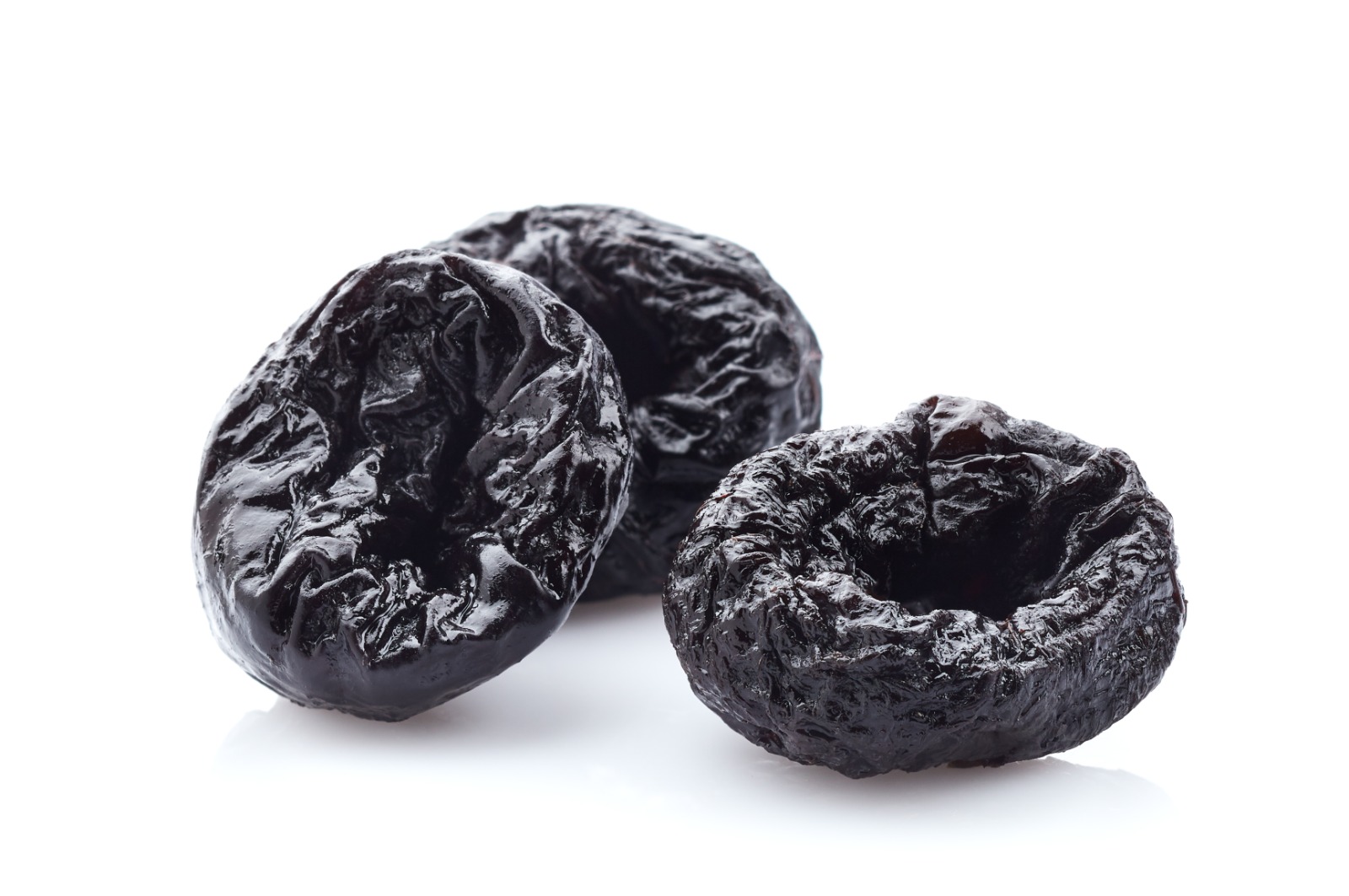
Prunes: The Ancient Edible Dried Fruit Obtaining New Relevancy
Dried plums commonly known as prunes, and commonly obtained by drying Prunus domestica, remain in the same position in the dried fruit market around the world.
The natural sugars are concentrated in the drying process and at the same time the fiber and necessary minerals like potassium and iron are retained. These are what make them very common in breakfast, baked goods and ready foods.
The composition has been due to a steady rise in global demand for prunes as more people become aware of the need to have fiber diets and a healthy digestive system. In Europe, North America and some parts of Asia, markets still rely on prunes to be sourced to package into retail and to use in industrial food production. Regularity in size, moisture content, and food safety conformity is one of the major demands in these markets.
The sourcing and processing of prunes in Malatya Apricot is arranged according to these expectations. The production is centered on controlled drying, grading, and packaging procedures with respect to international standards. Export logistics is arranged in such a way that it facilitates transportation over long distances and preserves the integrity of products.
Changing Food Landscape Organic Dried Fruits and Vegetables
Organic dried fruits and vegetables will be a developing part of the wider market of the dried produce industry. Consumer attraction to organically grown food has not only been limited to fresh foodstuffs, but also to shelf-stable food that facilitates extended storage and broader distribution.
Certification standards of organic certification entail conformity to a set of farming and processing methods. They involve the prevention of synthetic pesticides, chemical fertilizing substances, genetically modified inputs, and strict documentation during cultivation and handling. Drying processes are normally based on natural or low temperature drying processes that are aimed at preserving the nutritional value of what is being dried without the application of any preservative.
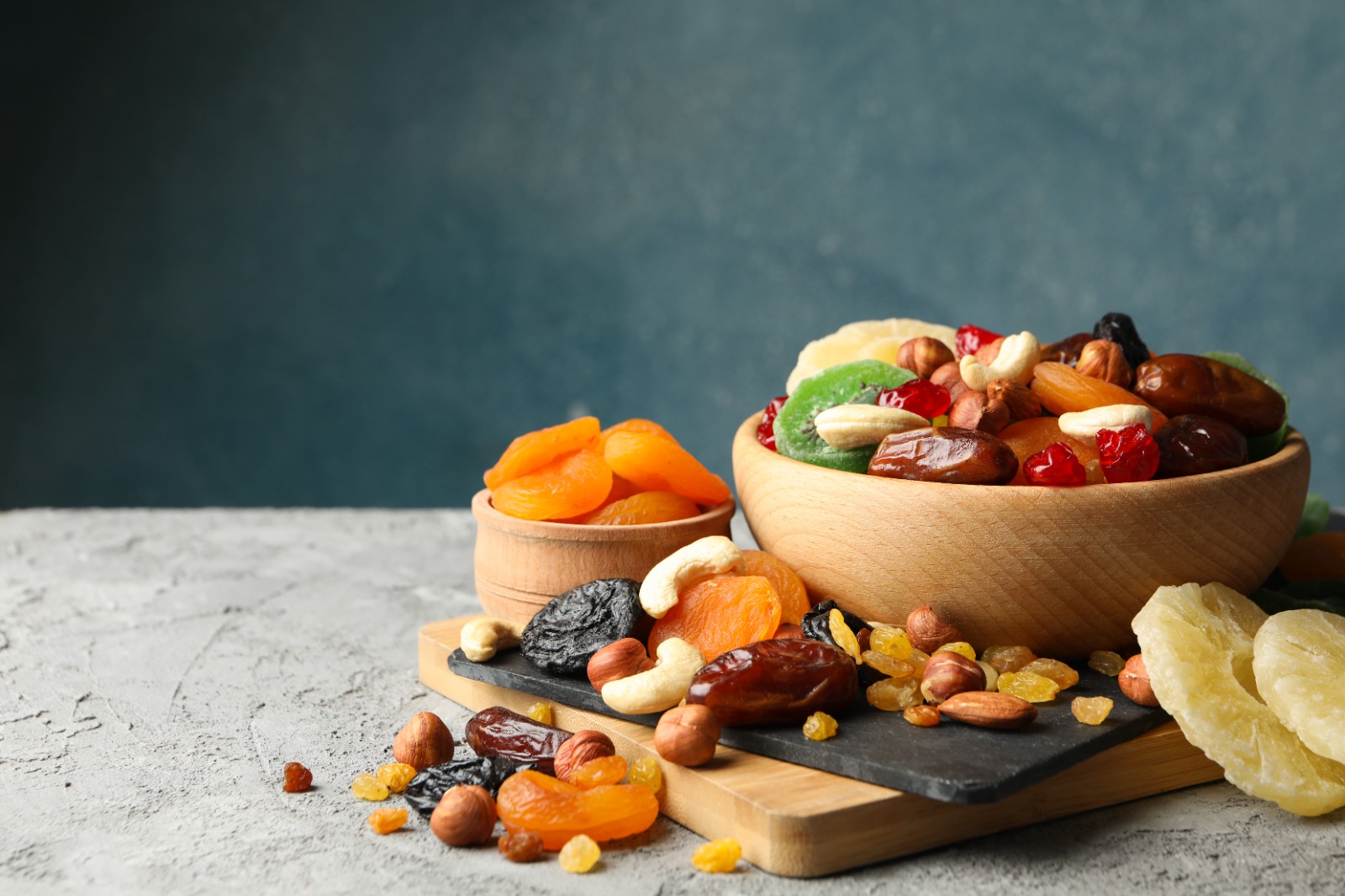
The variety of organic dried fruits and vegetables provided by Malatya Apricot embraces such varieties of fruits like apricots, figs, raisins, apples, and berries; vegetables like tomatoes, onions, and garlic. These products find their application in various industries such as retail brands with health focus, ingredient suppliers, and food processors.
Organic dried vegetables are increasingly being used in soups, sauces, prepared meals and blends of seasoning, and it is necessary to ensure that there is good continuity of quality and traceability. Organic dried fruits on the other hand are still present in cereal, snack mix, and bakery products.
The absence of sulfur treatment and artificial improvement can be seen as the differences in the color and texture of organic and conventional dried produce. Organic products can exhibit more natural variation although; they can be appreciated as transparent and as adhering to certified production systems.
Dried Tomatoes as a Versatile Ingredient Category
Dry tomatoes are still a significant ingredient in Mediterranean food and in the production of food across the world. Their long shelf life and compatibility with other cuisines are a positive attribute to the product in terms of constant demand internationally. The way to produce is different depending on the purpose of the production. Sun drying is still extensively used in conventional formats, whereas controlled drying aids uniformity to be used in industry.
Dried tomatoes processing at Malatya Apricot entails a process of sorting of ripe tomatoes, which are dried under controlled conditions and finally grading, according to size and format. The packaging will be made to suit bags of goods that are shipped in bulk or those that are packaged to be sold in stores depending on the needs of the destination market.
Production, Quality Control, and Certification Frameworks
In organic dried fruits and vegetables and dried tomatoes, as well as in prunes, quality management is the key aspect of international trade. The markets that are usually imported demand adherence to established food safety and quality systems.
Developed operations at Malatya Apricot are designed based on documented production processes, hygiene controls, and traceability measures. Certifications like ISO 22000, HACCP and organic standards are used to facilitate regulatory adherence in Europe and North America among others.
The quality control process involves inspection of raw materials, inspection in the drying and processing, as well as inspection in the final products before they are packed. These measures are meant to make shipments consistent and less variable to make sure that they do not use them in a downstream manner.
Storage and logistics systems contribute to quality in the process of export. Warehousing is temperature regulated, and the correct packaging material is applied to facilitate long transportation schedules.
Global Market Distribution and Reach International trade of dried goods is based on stable logistics and market adaptation.
Malatya Apricot serves the markets in Europe, North America, the Middle East, and Asia. In every region, the tastes of the population are different in terms of product specifications, certification requirements, and consumption patterns.
As an example, dried tomatoes are often sold in Mediterranean-oriented food products in Europe, and organic dried fruits are gaining more demand in health-oriented retail outlets in North America. The prunes have steady demand in the various regions because they are part of the traditional and modern diets.
The export activities are structured to handle the documentation of customs, regulatory requirements, and schedules of delivery. The strategy sustains the supply level at the same time catering to regulations of various importing nations.
Operational Alignment with Evolving Food Industry Requirements With the ongoing developments in the international food markets, the suppliers of dried agricultural products are increasingly becoming demanded to align the operations with the changing regulatory, logistical, and consumer demands.
In prunes, organic dried vegetables and fruits, and dried tomatoes, the quality uniformity and recording have been a core need as opposed to a competitive point.
In this environment, Malatya Apricot has its operations organized in a way that facilitates the predictable supply and standardized handling practices of the products in various categories. The process of production planning is synchronized to consider seasonal harvesting cycles, storage facilities, and exportation schedules. This strategy facilitates continuity among the global consumers and minimizes fluctuation that could impact food production or retail preparation down the line.
Adaptable to various market specifications is another major factor to consider. Moisture content, sizing, and packaging requirements are usually different depending on the end of use and destination country. An example is when prunes are provided to industry food processing; the graduation parameters may vary compared to the requirements of retail packaging. In the same way, the use of ingredients like dried tomatoes in bulk form can be delivered, and organic dried fruits can be prepared in smaller quantities to be used in channels facing consumers.
The other factor in cross-border trade is documentation and compliance, which is also gaining importance. The regulations imposed by the importing countries on import are often a detail of the products including the origin, the manner of processing and the certification condition. It has become imperative to keep proper and readily accessible records to have timely clearance of customs and authorization of the regulations. The export coordination teams thus collaborate in coordinating with production and quality control units to get documentation in line with shipment requirements.
There is also a shift in communication in the markets where they are no longer promotional but factual and data based. The buyers are more demanding on clear communication about production capacity, lead times, and quality parameters as opposed to brand-centric communication. This tendency is a part of a wider trend in the food industry towards stability of operations and supply planning in the long term.
Sustainability and Responsible Production Considerations
The concept of sustainability is becoming a major factor in sourcing and production in the dried produce industry. These are water consumption, energy conservation, reduction of waste, and agricultural assistance programs.
It is specifically organic production systems that focus on soil health, biodiversity, and lower levels of chemical usage. Drying technologies based on natural sunlight or energy-efficient technologies also make the environment less threatening.
The decision to packaging, including recyclable materials and the most efficient shipment arrangements, is a subset of the larger waste and emission reduction strategy. Although the sustainability practices can be specific to each product and each market, they are becoming part of the supply planning in the long run.
The ongoing provision of prunes, organic dried fruits and vegetables and dried tomatoes are indicative of larger shifts that have taken place in the global food system as durability, traceability and responsible production have become significant. Keeping the production processes and international distribution facilities organized, Malatya Apricot is kept busy fulfilling the needs of the market in various categories of dried produces and changing according to new industry demands.
ERTUGRUL EVLIYAOGLU
Malatya Apricot | Dried Fruits - Nuts Supplier and Exporter
+90 539 928 49 71
export@malatyaapricot.com
Visit us on social media:
LinkedIn
Instagram
Facebook
YouTube
X
Other
Organic Dried Fruits and Vegetables
Legal Disclaimer:
EIN Presswire provides this news content "as is" without warranty of any kind. We do not accept any responsibility or liability for the accuracy, content, images, videos, licenses, completeness, legality, or reliability of the information contained in this article. If you have any complaints or copyright issues related to this article, kindly contact the author above.
